World War
Opportunity dept.

It’s been so long since we’ve been in a World War (over 80 years now) that most people may have no idea what to do, how to behave, and the many things one may accomplish during planet-wide combat.
Therefore, I thought it useful to examine the variety of options available during such a widespread conflict.
-You may write an enduring piece of literature during a World War. Virginia Woolf’s debut novel, “The Voyage Out,” hit bookshelves in 1915. “His Last Bow,” from Conan-Doyle’s Sherlock Holmes oeuvre, was published in 1917.
1943 saw “The Little Prince” by Antoine de Saint-Exupéry.
In 1944 there was “The Razor’s Edge” by Somerset Maugham.
1945 yielded John Steinbeck’s “Cannery Row” and Richard Wright’s “Black Boy.”
-You may play baseball during a World War. In 1918, Babe Ruth led the league in home runs for the first time.
After Pearl Harbor, as the US entered the fray, Franklin Roosevelt said, “I honestly feel that it would be best for the country to keep baseball going.” While many notable stars like Ted Williams and Stan Musial and Hank Greenberg went overseas, others stayed, leading to Tommy Holmes’ 37-game hit streak in 1945, and Hal Newhouser’s 29 wins for the Tigers in 1945.
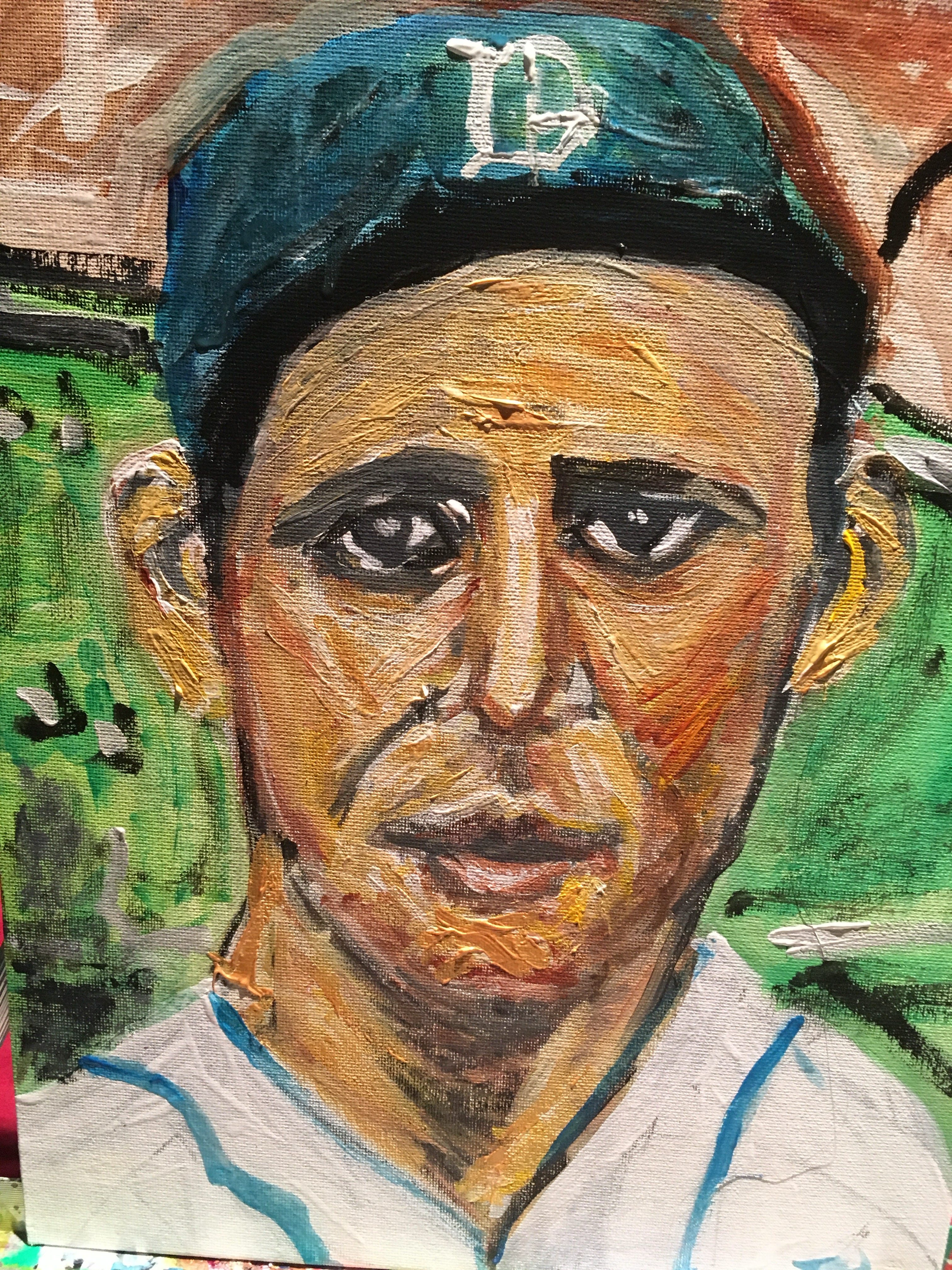
Hank Greenberg
-You can record a hit song. During WW2 we were treated to “Boogie Woogie Bugle Boy” by the Andrews Sisters, and “In The Mood” by the Glenn Miller Orchestra. The First World War era was also fruitful, giving us “It’s a Long Way to Tipperary,” “Over There,” and “Pack Up Your Troubles in Your Old Kit Bag.”
-You may paint a great picture. The first World War left us with John Singer Sargent’s “Gassed,” and Percy Windham Lewis’ “A Canadian War Factory.”
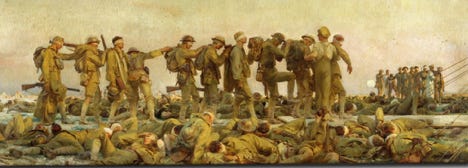
“Gassed” by John Singer Sargent
During the Second World War we saw “Rosie the Riveter” by Norman Rockwell, and Picasso’s great “Guernica,” which technically predated the War (1937).

Pablo Picasso
-You can invent things during a World War. Obviously, many such innovations are for military use, but not all. WWI acted as a catalyst for flamethrowers, poison gas, wristwatches, and zippers.
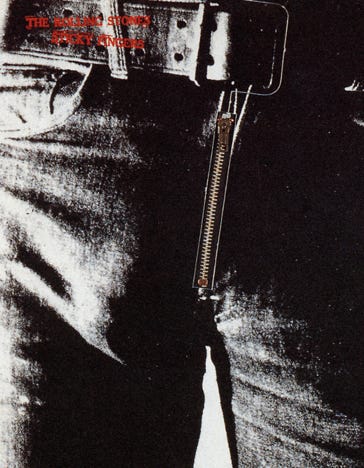
The Zipper
WWII spurred innovations in radar, computers, jet engines, and penicillin. Don’t forget the atomic bomb, synthetic rubber, and duct tape.
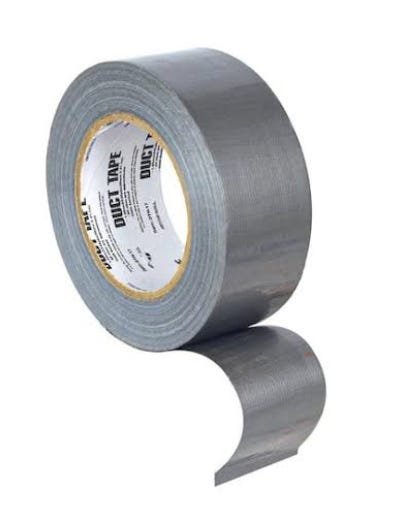
Duct tape
-You can design new clothes during a World War. WWI saw shorter, wider skirts (mid-calf), and a move away from restrictive corsets.
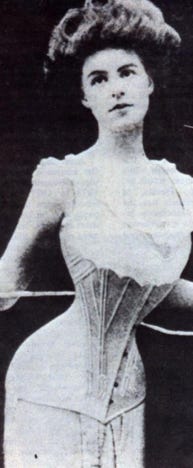
WWII saw new trends in knee-length, A-line skirts, as well as slacks and workwear for women. Jumpsuits became popular, designed to be pulled over pajamas during air raids.
As you can see, there is much one can do during a World War. The only limits, really, are the boundaries of one’s own imagination. Though a World War may bring hardships and limitations, such as scarcity, rationing, famine, disease, emotional stress, risk of injury or death, it may also, as we have seen, bring forth new opportunities for the enterprising.
We welcome further ideas and look forward to witnessing many new creative works and breakthroughs in the coming times.
—
“World War”:
-
{{{The Little Prince}}}
this hank greenberg is SO beautiful! and my paw paw gave me to believe that duct tape was perhaps the greatest invention of all time -- surely the cornerstone of civilization -- it can be used to fix anything broken (including fingers)